



A reliable social media approval workflow routes every post through named stages, one approver per stage, and set turnaround times, and it lives inside a single tool instead of scattered across email and Slack. Draft, internal review, stakeholder review, approval, then scheduling and publishing: that’s the shape. The immediate next step is simple: map your default workflow into your calendar or scheduling platform this week and name exactly who approves each stage.
TL;DR:
- Limiting approval to one approver per stage reduces delays and prevents bottlenecks caused by waiting for multiple sign-offs.
- Assigning clear SLAs with fixed review times and escalation rules ensures accountability and avoids missed deadlines.
- Streamlining feedback into a single tool and linking approval to publishing prevent version drift and repeated revisions.
- Using an integrated platform with role-based permissions and automated reminders speeds up approvals and maintains a transparent audit trail.
- Focusing review efforts on high-risk posts and batching reviews into specific windows improve efficiency and reduce task-switching interruptions.
Table of Contents
- What Does a Social Media Approval Workflow Look Like?
- Set SLAs, Default Behaviors, and Escalation Rules
- Where Should the Workflow Actually Live?
- Why Do Approval Workflows Stall (and How Do You Fix It)?
- How Do You Measure If the Workflow Is Working?
- Templates You Can Copy Into Your Workflow Today
- What I’ve Seen Work in Practice
- Let MartechAI Run the Approval Gate for You
- Sources
- FAQ
What Does a Social Media Approval Workflow Look Like?
Most teams overcomplicate this. The canonical shape has six stages: brief or intent, draft, internal review, stakeholder or client review, approved, and scheduled or published. A social media content approval process built on this sequence gives you named approvers, deadlines, and version history at every handoff, which is what separates a workflow from a chat thread that got out of hand.
Not every post needs all six stages. Routine content, a quick product photo or a community reply, can skip stakeholder review entirely. Legal or regulatory posts need an added compliance stage before anything gets scheduled. Executive announcements often need a parallel round where legal and the CMO review simultaneously rather than one after another, which saves days.
Role mapping matters as much as the stages themselves:
- Creator: drafts the post and attaches assets, links, and copy variations.
- Reviewer: checks brand voice, grammar, and factual accuracy, then passes it forward.
- Approver: the single person with final sign-off authority at that stage, with one named backup.
- Publisher: schedules or pushes the approved post live, and confirms it matches what got approved.
The one-approver-per-stage rule is important because multiple approvers can significantly delay the approval process. Assign a backup for every approver so a vacation or a sick day doesn’t stall the queue. Route by post type: promotional content might need marketing plus legal, routine posts need only the primary reviewer, and executive content should run reviewers in parallel instead of serially to protect your publish date.
Set SLAs, Default Behaviors, and Escalation Rules
Vague deadlines kill workflows faster than bad content does. Written SLAs give every stage a clock, and clocks create accountability nobody has to enforce personally.
Sensible defaults, based on widely used social media approval workflow templates, look like this:
- Internal review: a standard turnaround time
- Stakeholder or client review: a typical review window
- Legal or compliance review: a longer review window for regulated content
- Express lane for time-sensitive posts (breaking news, live events): a shortened review window of a few hours
An express lane compresses both the timeline and the approver count. For a fast-moving post tied to a live event, reduce review to a single approver and skip the multi-stage chain entirely. Speed matters more than consensus when the moment is the content.
Write your default behavior into the workflow, not just the SLA. Evergreen or low-risk posts can auto-approve if no one responds within the window. Anything promotional, sensitive, or time-bound should default to slipping into the next available slot instead, so silence never accidentally publishes something risky.
Cap review rounds at two before a post automatically escalates to a named backup or team lead. Endless revision loops are usually a sign the brief was unclear, not that the content is bad.
Pro Tip: Put the SLA clock and the escalation contact directly on the post card in your scheduling tool, not in a separate policy document nobody opens under deadline pressure.
Where Should the Workflow Actually Live?
The tool matters less than the discipline, but a weak tool will break even good discipline. Look for a few non-negotiable features before you commit to a system:
- Live post preview showing exactly how the content will render on each platform
- Role-based permissions so reviewers can comment but only approvers can advance a stage
- Timestamped approvals that create an audit trail of who approved what, and when
- Automated reminders that ping the right person as an SLA deadline approaches
- A publishing gate tied directly to the API, so nothing goes live without a recorded approval
Small teams posting a handful of times a week can get by with a strict shared calendar and a house rule that nothing gets scheduled without a checkmark from the named approver. That works until volume grows past what one person can track manually.
Larger teams need a scheduler with built-in approvals, or better, an integrated campaign platform where the calendar, the approval record, and the publish button are the same system. Centralizing drafts, feedback, and sign-off in one place eliminates the last-mile handoff error where an approved draft and a published post quietly diverge. The gate belongs at the point of publishing, not in a separate approval tracker that has to be manually cross-checked against what actually went out.
Why Do Approval Workflows Stall (and How Do You Fix It)?
Four failure modes account for most stuck queues:
- Too many approvers. Every additional sign-off adds a full SLA cycle. Cut the list to one approver per stage.
- Scattered feedback. Comments in Slack, email, and a shared doc mean revisions get missed. Consolidate feedback into the tool where the draft lives.
- Missing deadlines. No SLA means no urgency. Every stage needs a written clock and a default behavior for silence.
- Last-mile publish mismatch. The approved version and the published version drift apart. Fix this by tying the approval gate to the actual publish action.
Route by risk rather than treating every post like it needs the same scrutiny. Enterprise teams that route by post type keep routine content moving fast while reserving multi-person review for anything promotional, legal, or reputational. Send high-risk posts to parallel reviewers so review time doesn’t stack.
Pro Tip: Batch reviews into one or two windows a day instead of leaving the queue open all day. Constant task-switching between review and creative work measurably slows both, which is why psychologists studying multitasking consistently find batched, single-focus work outperforms constant interruption.
Add a weekly ten-minute review meeting to catch anything that’s aged past its SLA before it becomes a fire drill.
How Do You Measure If the Workflow Is Working?
Track five numbers: draft-to-live time, approval turnaround by stage, revision rounds per post, posts missed per month, and reviewer load per person. If one stage consistently eats more time than the others, that’s your bottleneck, not the whole process.
Run a two-week pilot before rolling out changes team-wide:
- Week one: baseline your current numbers with no changes.
- Week two: apply the new SLAs and roles, then measure again.
- Compare the two, fix whichever stage is slowest, and iterate from there.
Two weeks is enough time to expose your real bottleneck without disrupting a full publishing calendar. Most teams find one stage, usually stakeholder review, accounts for the majority of the delay, and fixing that single stage solves most of the problem.
Templates You Can Copy Into Your Workflow Today
Nobody needs to invent SLA language from scratch. Reusable templates prevent renegotiation with every new client or campaign, which is exactly why industry templates build in a RACI matrix and sample turnaround times by default.
A compact RACI example for a standard promotional post:
| Stage | Responsible | Accountable | Consulted | Informed |
|---|---|---|---|---|
| Draft | Creator | Content lead | Brand team | Account manager |
| Internal review | Reviewer | Content lead | Legal (if needed) | Client |
| Stakeholder review | Approver | Client lead | Marketing | Creator |
| Scheduled/published | Publisher | Content lead | None | Full team |
Before anything moves to scheduled, run a fast checklist: preview rendering on each platform, correct assets attached, links tested, hashtags verified, required disclosures included (sponsored content, affiliate links), and any regulatory flags cleared for the industry. Store this checklist and your SLA defaults directly in your workflow tool so they apply automatically by campaign or post type instead of getting re-explained every time someone new joins the team.
What I’ve Seen Work in Practice
. The pattern that shows up again and again: teams that enforce a strict SLA and stop routing approvals through five different apps see turnaround times drop within weeks, not months. The bottleneck almost never turns out to be the creative work. It’s the handoff.
What changes outcomes isn’t a fancier tool, it’s fewer places for a draft to hide. A visual campaign studio paired with a shared calendar and automated reminders does something a spreadsheet never can: it makes the approval status visible to everyone at once, so nobody has to ask.
— Zachary
Let MartechAI Run the Approval Gate for You
Consider an integrated marketing platform as an alternative to stitching together multiple disconnected apps for a workflow that should live in one place. This tool centralizes drafts, reviewer comments, timestamped approvals, and the publish button in one interface.
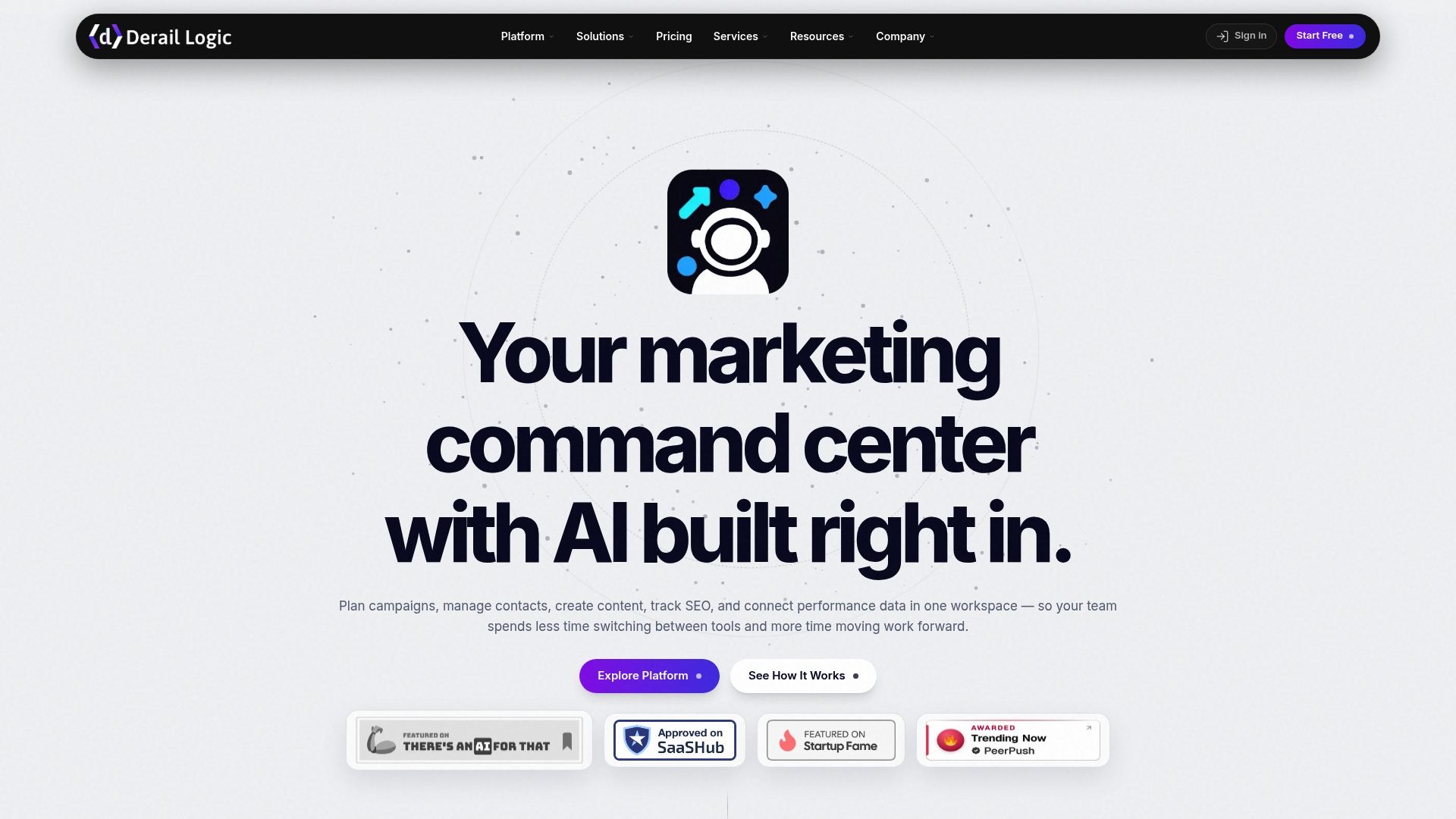
Consider MartechAI once your posting volume outgrows a shared calendar and a house rule, once you need automated reminders instead of manual follow-up, or once you need an audit trail you can actually produce if a client asks who approved what and when. Such platforms commonly include automated reminders that scale content production for approaching SLA deadlines, with calendars that hold approval stages connected directly to publishing, closing the last-mile gap where an approved draft and a live post can quietly diverge.
If your current workflow depends on someone remembering to check three different apps, see how MartechAI’s marketing automation can host your entire approval chain in one place, and start a free trial to map your workflow this week.
Sources
- Social Media Approval Workflow: The Complete Guide + Free Checklist
- Enterprise Social Media Approval Workflow: A Guide – Apaya
- Social Media Approval Workflow Template (2026) | Content Drifter
- How to Build a Social Media Approval Workflow in 2026 | Privly
- American Psychological Association — Multitasking research
FAQ
What Is the 5-3-1 Rule for Social Media?
The 5-3-1 rule is a content-mix guideline suggesting a specific ratio of curated, original, and promotional posts, though teams adapt the ratio to their own audience and goals.
What Is the 3-2-5 Rule for Social Media Posts?
Definitions vary across marketers, but it’s typically described as another content-mix ratio balancing promotional, educational, and entertaining posts. It’s not a fixed approval or workflow standard, so treat it as a starting ratio rather than a rule to enforce strictly.
How Do You Create an Approval Workflow?
Map your stages (draft, internal review, stakeholder review, approved, scheduled), assign one named approver per stage with a backup, set SLAs for each stage, and centralize the whole process in one scheduling tool instead of email or chat.
How Long Should Social Media Approval Take?
A common default is 24 hours for internal review and 48 hours for stakeholder or client review, with an express lane of 2 to 4 hours for time-sensitive posts like live events or breaking news.
What’s the Biggest Mistake Teams Make With Approval Workflows?
Assigning more than one approver per stage. It doubles the chance of conflicting feedback and stalls the queue while reviewers wait on each other instead of the content moving forward.